India stands at a pivotal moment in its energy journey. As the world's third-largest oil consumer and importer, the nation has long grappled with the dual challenges of energy security and environmental sustainability. But today, a transformative solution is rolling out across the country—one that promises to reshape India's fuel landscape, empower millions of farmers, and significantly reduce the carbon footprint of the nation's transportation sector. This solution is E20 petrol, and it represents one of the most ambitious and forward-thinking policy decisions in India's modern history.
So, what exactly is E20 petrol? In simple terms, E20 is a fuel blend consisting of 20% ethanol and 80% gasoline. While this might sound like a minor adjustment, the implications are massive. This isn't just about changing fuel composition—it's about reimagining India's entire approach to energy independence, agricultural prosperity, and climate action. The Ministry of Petroleum & Natural Gas has described India's ethanol journey as 'unstoppable,' and for good reason. The transition from E10 (10% ethanol blend) to E20 represents a quantum leap in the nation's biofuel ambitions.
Why is this moment so significant? For the first time, India is implementing a full-scale, nationwide push for higher ethanol blending—not as an experiment or a pilot project, but as a comprehensive policy directive backed by regulatory frameworks, infrastructure development, and clear timelines. According to official government statements, India's ethanol blending in petrol has already crossed 18% as of January 2025, putting the nation ahead of schedule on its journey to E20. This achievement didn't happen by accident. It's the result of meticulous planning, bold political will, and a holistic vision that balances economic development with environmental stewardship.
The stakes couldn't be higher. India currently imports over 85% of its crude oil requirements, spending approximately $100-150 billion annually on petroleum imports—a massive drain on foreign exchange reserves and a vulnerability in times of global price volatility. Every percentage point increase in ethanol blending directly translates to reduced import dependency, savings of thousands of crores, and enhanced national security. But the benefits extend far beyond economics. E20 petrol promises substantial reductions in greenhouse gas emissions, improved air quality in our congested cities, and a sustainable revenue stream for India's farming community, which has long sought alternatives to traditional crop cycles.
The government's original ethanol blending target was to achieve 20% blending by 2025—a deadline that seemed ambitious when announced. Yet, through coordinated efforts involving the Ministry of Petroleum & Natural Gas, NITI Aayog, the Ministry of Road Transport & Highways, and state governments, India has not only met but exceeded expectations. The Supreme Court of India recently dismissed a Public Interest Litigation challenging the E20 rollout, affirming the scientific basis and public interest behind the policy. As Petroleum Secretary Pankaj Jain confirmed in an exclusive statement, 'Only E20 petrol across the country for now'—signaling that this is not just a transitional phase but the new standard for India's fuel ecosystem.
In this comprehensive article, we'll explore every dimension of India's E20 journey—from the technical specifications and vehicle compatibility to the environmental and economic benefits, from addressing legitimate concerns to examining global best practices and the road ahead. Most importantly, we'll examine why this policy represents not just sound governance but visionary leadership—a bold move that positions India at the forefront of the global clean energy transition while solving multiple domestic challenges simultaneously. This is more than fuel policy; this is nation-building in action.
E20 at a Glance: Key Facts
- ✓Blend Composition: 20% ethanol + 80% gasoline
- ✓Current Achievement: 18%+ ethanol blending nationwide (Jan 2025)
- ✓Target Timeline: Full E20 rollout by 2025, advancing to E27 post-2030
- ✓Import Savings: Potential to save ₹30,000+ crores annually in crude oil imports
- ✓Emission Reduction: Significant decrease in CO₂, particulate matter, and urban air pollution
- ✓Farmer Empowerment: Additional income opportunity for millions through surplus grain and crop residue utilization
1. 📰 Latest Updates: October 2025 Developments
As E20 petrol continues its nationwide rollout, October 2025 has brought significant developments, survey insights, and government clarifications that provide a clearer picture of the policy's real-world impact. These latest updates offer valuable insights for consumers, policymakers, and industry stakeholders navigating India's ethanol blending journey.
📊Nationwide Survey Reveals Key Consumer Insights
A comprehensive survey conducted by LocalCircles across 36,000+ responses from 323 districts has provided crucial data on E20's real-world performance:
⚠️ Fuel Efficiency Impact
80% of vehicle owners with cars purchased in 2022 or earlier reported decreased fuel efficiency after switching to E20 petrol—up from 67% in August 2025.
🔧 Maintenance Concerns
52% of owners experienced unusual wear or required repairs in 2025, particularly affecting fuel system components and engine internals.
✅Government Clarifications & Policy Updates
🛡️ Insurance Coverage Confirmed
The Ministry of Petroleum and Natural Gas has officially confirmed that using E20 petrol does NOT impact motor vehicle insurance policies. This addresses one of the major consumer concerns about fuel compatibility.
📅 Policy Timeline Extended
The current E20 roadmap will continue until October 31, 2026. Any consideration of blends beyond E20 will be evaluated after an Inter-Ministerial Committee submits its comprehensive report, followed by stakeholder consultations.
⚖️Supreme Court Upholds E20 Implementation
The Supreme Court has dismissed Public Interest Litigations challenging the E20 rollout, providing strong legal validation for the government's policy:
- • Legal Endorsement: Court acknowledged the policy was based on expert advice and national priorities
- • Due Process Confirmed: Court emphasized the policy was not imposed without proper consultation
- • Executive Authority: Declined to mandate ethanol-free petrol availability, stating such decisions fall under executive jurisdiction
🔬Technical Insights & Industry Recommendations
📉 Mileage Impact Analysis
Government Data: 1-2% decrease for E20-compatible vehicles, 3-6% for others
Industry Experts: 2-5% reduction depending on vehicle type and age
🔧 Maintenance Recommendations
Older Vehicles: Consult manufacturers for E20 compatibility
Regular Monitoring: Watch for gasket erosion and fuel system wear
🌱Environmental & Economic Impact Updates
🌍 Emissions Reduction Confirmed
Studies continue to show 65% reduction in greenhouse gas emissions when using sugarcane-based ethanol compared to conventional petrol.
⚖️ Balancing Act
Ongoing discussions about water-intensive ethanol production and food security considerations as the program scales up.
💡Key Takeaways for Consumers
✅ What's Working Well
- • Insurance coverage remains intact
- • Legal challenges dismissed by Supreme Court
- • Significant environmental benefits confirmed
- • Policy timeline provides stability until 2026
⚠️ Areas of Concern
- • Fuel efficiency impact on older vehicles
- • Increased maintenance requirements
- • Need for better consumer education
- • Ongoing monitoring of long-term effects
2. 📚 Understanding E20: The Basics
Before diving into the benefits and implications of E20 petrol, it's essential to understand exactly what it is, how it differs from conventional fuel, and why the transition from E10 to E20 represents such a significant milestone in India's energy evolution. This section breaks down the technical and practical aspects of E20 in clear, accessible terms.
⛽ What is E20 Petrol?
E20 petrol is a biofuel blend that combines 20% ethanol with 80% conventional gasoline (petrol). Ethanol, also known as ethyl alcohol, is a renewable, plant-based fuel typically produced from agricultural feedstocks like sugarcane, maize, rice, wheat, and even agricultural waste such as rice straw and bagasse. When mixed with petrol in precise proportions, ethanol creates a cleaner-burning fuel that maintains engine performance while delivering environmental and economic benefits.
The 'E' in E20 stands for ethanol, while the number '20' indicates the percentage of ethanol in the blend. This standardized naming convention makes it easy for consumers to identify the fuel type at a glance. According to the Bureau of Indian Standards (BIS), E20 fuel must meet specific quality parameters including octane rating, vapor pressure, and ethanol content accuracy to ensure consistent performance across all vehicle types.
🔑 Key Characteristics of E20 Fuel:
- •Higher oxygen content (3.5%) compared to conventional petrol, leading to more complete combustion
- •Octane rating of 91-94, providing good anti-knock properties for modern engines
- •Lower carbon content per liter, resulting in reduced CO₂ emissions
- •Compatible with modern fuel injection systems and engine materials
- •Meets stringent BIS quality standards (IS 2796:2023)
- •Can be produced domestically from multiple agricultural feedstocks
It's important to note that ethanol blending isn't a new concept globally. Countries like Brazil have been using high ethanol blends (E25 and even E100) for decades, while the United States has standardized E10 and is expanding E15 usage. What makes India's E20 push remarkable is the speed and scale of implementation—moving from barely 2% blending in 2014 to over 18% in 2025, with clear plans to reach 20% and beyond. This represents one of the fastest biofuel adoption curves in the world.
📊 Understanding Different Ethanol Blends:
E10 Petrol
Composition: 10% ethanol + 90% gasoline
Status: Previously standard in India (achieved 2022-23)
Impact: ~5% reduction in import dependency
E20 Petrol ⭐
Composition: 20% ethanol + 80% gasoline
Status: Current national standard (rolling out 2025)
Impact: ~10% reduction in import dependency
E27+ (Future)
Composition: 27%+ ethanol
Status: Planned for post-2030
Impact: 15%+ reduction in import dependency

Ethanol Production & E20 Petrol
Ethanol Production & E20 Petrol
📈 The Evolution: From E10 to E20
India's ethanol blending journey represents one of the most successful energy policy implementations in recent history. What began as a modest initiative in the early 2000s has evolved into a comprehensive program that's transforming the nation's fuel landscape. Understanding this progression helps appreciate the significance of the current E20 milestone and the government's strategic vision.
⏰ Timeline: India's Ethanol Blending Milestones
2003-2006
Ethanol Blended Petrol (EBP) Program launched with 5% blending target in 9 states
2014
Only 1.53% average blending achieved—program struggles with supply and pricing issues
2018
National Biofuel Policy announced, targeting E10 by 2022 and E20 by 2030
June 2021
NITI Aayog releases comprehensive roadmap, accelerating E20 target to 2025
March 2021
MoRTH notification (GSR 156(E)) mandates E20 compatibility for all new vehicles
2022-23
E10 blending successfully achieved nationwide—average 10.2% across India
November 2023
Ethanol blending crosses 12%, with several states achieving 15%+
January 2025
Historic achievement: 18%+ average ethanol blending reached—ahead of schedule for E20 target
2025 (Ongoing)
Nationwide E20 rollout in progress—Petroleum Secretary confirms "Only E20 across the country"
What makes this progression remarkable is the dramatic acceleration after 2018. The government's multi-pronged strategy involved fixing pricing mechanisms to ensure fair returns for ethanol producers, expanding distillery capacity through interest subvention schemes, streamlining procurement processes, and creating a supportive regulatory environment. According to the Ministry of Petroleum, ethanol procurement jumped from 38 crore liters in 2013-14 to over 500 crore liters in 2023-24—a more than 13-fold increase in just a decade.
💪 Key Enablers of the E10 to E20 Transition:
1. Regulatory Clarity
The MoRTH notification mandating E20 compatibility for all vehicles manufactured from April 2023 onwards provided clear direction to automakers, ensuring the vehicle fleet would be ready.
2. Production Capacity Expansion
Investment in new distilleries and modernization of existing ones increased installed ethanol production capacity from 426 crore liters in 2017-18 to over 1,000 crore liters by 2024.
3. Diversified Feedstock Strategy
Moving beyond molasses-based ethanol to include grain-based and cellulosic (second-generation) ethanol ensured consistent supply without competing with food security.
4. Fair Pricing Mechanism
Government-fixed prices for ethanol from various feedstocks ensured profitability for producers while keeping costs reasonable for Oil Marketing Companies.
The transition from E10 to E20 isn't merely doubling the ethanol percentage—it represents a fundamental shift in India's energy strategy. While E10 was primarily about establishing the infrastructure and consumer acceptance, E20 signals a commitment to large-scale import substitution, agricultural diversification, and meaningful climate action. As India currently stands at 18%+ blending and continues the rapid rollout of E20 pumps across the nation, the world is watching what could become a template for other developing countries seeking energy independence and environmental sustainability.
India's Ethanol Blending Journey
India's Ethanol Blending Journey
Click to play video demonstration
3. 🗺️ Policy Genesis & Timeline: A Visionary Roadmap
The E20 policy didn't emerge overnight. It's the culmination of years of strategic planning, policy refinement, and bold governmental decision-making. Understanding the genesis of this policy reveals the thoughtful, multi-stakeholder approach that has made India's ethanol blending program one of the most successful energy transitions in recent times. From initial announcements to regulatory frameworks, this section traces the policy's journey from vision to implementation.
🎯 Government Vision & Key Announcements
The vision for E20 petrol is deeply embedded in the government's larger strategy for energy security, agricultural prosperity, and environmental sustainability. Prime Minister Narendra Modi has consistently emphasized the importance of Atmanirbhar Bharat (Self-Reliant India) in energy, and ethanol blending represents a concrete manifestation of this vision. The policy enjoys top-level political support, which has been crucial in overcoming bureaucratic inertia and accelerating implementation timelines.
🪨 Key Government Announcements & Milestones
June 2014
National Democratic Alliance Government Takes Office
Ethanol blending at mere 1.53%. Government commits to revitalizing the stalled ethanol program with focus on pricing reforms and capacity building.
May 2018
National Policy on Biofuels 2018
Cabinet approves comprehensive biofuel policy setting E10 target for 2022 and E20 target for 2030. Policy expands feedstock options beyond molasses to include grains and agricultural residue.
June 2021
PM's World Environment Day Announcement
Prime Minister advances E20 target from 2030 to 2025—a full 5 years ahead of schedule. Demonstrates government's confidence in India's ethanol production capacity and commitment to climate action.
June 2021
NITI Aayog Roadmap Release
Expert committee led by NITI Aayog releases comprehensive roadmap detailing technical, regulatory, and infrastructural requirements. Provides clear action plan for all stakeholders.
September 2024
Supreme Court Validates E20 Policy
Supreme Court dismisses PIL challenging E20 rollout, affirming scientific basis and public interest. Legal validation strengthens policy implementation.
January 2025
18%+ Blending Achievement Announced
Ministry of Petroleum confirms India has crossed 18% average ethanol blending—putting the nation on track to exceed the 2025 target. Petroleum Secretary announces nationwide E20 rollout.
What stands out in this timeline is the government's willingness to set ambitious targets and then exceed them. The decision to advance the E20 deadline by five years wasn't made lightly—it required confidence in India's ethanol production capabilities, coordination with automobile manufacturers, and assurance of infrastructural readiness. According to the Ministry of Petroleum's official statements, India's ethanol journey has been characterized by 'unstoppable momentum' driven by policy clarity, financial incentives, and unwavering political commitment.
The integration of E20 with the broader Atmanirbhar Bharat initiative is particularly noteworthy. By positioning ethanol blending as both an environmental imperative and an economic opportunity, the government has successfully built multi-stakeholder consensus. Farmers see it as an additional income source, automobile manufacturers view it as aligning with global emission norms, and the general public recognizes it as a step toward reducing India's oil import dependency. This alignment of interests has been key to the program's rapid success.

India's E20 Policy Framework
India's E20 Policy Framework
📋 Regulatory Framework & Quality Standards
Behind every successful policy lies a robust regulatory framework. For E20, the government has established a comprehensive system of standards, notifications, and compliance mechanisms to ensure quality, safety, and consistency. This regulatory architecture involves coordination between multiple ministries and agencies, each playing a crucial role in the policy's execution.
📜 Key Regulatory Instruments:
📋GSR 156(E) - March 8, 2021 (MoRTH Notification)
Issuing Authority: Ministry of Road Transport & Highways
Mandate: All four-wheelers manufactured from April 1, 2023, onwards must be compatible with E20 fuel. Two-wheelers mandated from April 1, 2025.
Impact: Ensures entire new vehicle fleet is E20-ready, eliminating compatibility concerns for consumers.
🔬IS 2796:2023 - BIS Standard for E20 Fuel
Issuing Authority: Bureau of Indian Standards (BIS)
Specifications: Defines quality parameters including ethanol content (20% ±2%), octane rating (minimum 91), vapor pressure, sulphur content (max 10 ppm), and water content limits.
Impact: Ensures uniform fuel quality across all E20 pumps nationwide, protecting engines and maintaining performance.
🚗AIS-152 & AIS-184 - Automotive Standards
Issuing Authority: Automotive Industry Standards Committee
Specifications: Technical requirements for materials, fuel system components, and emissions for E20-compatible vehicles.
Impact: Provides clear technical guidelines to automobile manufacturers, ensuring consistency and safety.
⚖️National Biofuel Policy 2018
Issuing Authority: Cabinet Committee on Economic Affairs
Scope: Overarching policy framework covering feedstock sourcing, pricing mechanisms, incentives for distilleries, and blending targets.
Impact: Provides policy certainty for long-term investments in ethanol production and distribution infrastructure.
The strength of this regulatory framework lies in its comprehensiveness. Unlike ad-hoc policies that leave room for ambiguity, the E20 regulatory architecture covers everything from fuel composition to vehicle compatibility, from quality testing protocols to consumer protection mechanisms. The government has also established clear pricing formulas for ethanol procurement, ensuring fair returns for producers while maintaining cost competitiveness for Oil Marketing Companies (OMCs).
Quality control is taken seriously. Every batch of ethanol procured by OMCs undergoes rigorous testing at accredited laboratories. The BIS standards ensure that E20 fuel meets international quality benchmarks, with parameters aligned with global best practices from countries like Brazil and the United States. Furthermore, the government has established grievance redressal mechanisms where consumers can report quality issues, with Oil Marketing Companies required to respond within specified timelines. This consumer-centric approach builds trust in the new fuel standard.
💡 Regulatory Excellence: A Model for Other Sectors
The E20 regulatory framework exemplifies how thoughtful policy-making can drive large-scale transformation. By providing clarity on timelines, setting stringent quality standards, ensuring fair pricing, and mandating industry compliance, the government has created an ecosystem where all stakeholders have clear roles and incentives. This approach could serve as a template for other complex policy implementations in India.

E20 Quality Standards & Compliance
E20 Quality Standards & Compliance
4. 🔧 Technical Basis & Vehicle Compatibility
One of the most common questions consumers have about E20 petrol is: "Will it work in my car?" The answer, backed by extensive testing and government clarifications, is reassuring. Understanding the technical properties of ethanol-blended fuel and how modern vehicles are designed to handle it dispels many myths and concerns. This section provides a detailed look at E20's chemical properties, vehicle compatibility, testing protocols, and official government clarifications on insurance and performance.
🧪 Ethanol's Properties: The Science Behind E20
To understand why E20 works well in modern engines, we need to look at ethanol's fundamental chemical properties. Ethanol (C₂H₅OH) is an alcohol-based fuel with characteristics that actually enhance certain aspects of engine performance while presenting manageable trade-offs in others. The government and automotive research institutions have extensively studied these properties to ensure E20 delivers a safe, reliable fuel experience.
🔬 Key Technical Properties of Ethanol in E20:
🚀Higher Octane Rating (Positive)
Technical Detail: Ethanol has an octane rating of 108-110, significantly higher than regular petrol (87-91). When blended at 20%, E20 achieves an effective octane rating of 91-94.
Benefit: Higher octane reduces engine knocking, allows for better compression ratios, and can improve engine efficiency. According to government testing, this results in smoother acceleration and better performance under load.
Official Statement: "E20 petrol leads to better acceleration and ride quality" — Ministry of Petroleum & Natural Gas
💨Higher Oxygen Content (Positive)
Technical Detail: Ethanol contains 35% oxygen by weight, compared to zero in conventional petrol. E20 blend contains approximately 7% oxygen content.
Benefit: The additional oxygen promotes more complete combustion of fuel, resulting in:
- Reduced carbon monoxide (CO) emissions by 20-30%
- Lower unburned hydrocarbon emissions
- Reduced particulate matter and soot formation
- Cleaner engine operation with less carbon deposits
⚡Lower Energy Density (Manageable Trade-off)
Technical Detail: Ethanol has an energy content of ~21 MJ/L compared to petrol's ~32 MJ/L. E20 blend has approximately 3-4% lower energy density than pure petrol.
Impact: Theoretically, this could lead to slightly higher fuel consumption. However, government testing reveals the real-world impact is minimal to negligible.
Official Clarification: "Ethanol blending in petrol won't affect mileage significantly. The difference, if any, is negligible and offset by improved combustion efficiency and engine performance." — Ministry of Petroleum
Note: Modern engine management systems (EMS) automatically adjust fuel injection to compensate, ensuring consistent power delivery and minimal mileage impact.
🔥Combustion Characteristics
Flame Speed: Ethanol burns faster than petrol, contributing to more efficient combustion cycles.
Cooling Effect: Ethanol has a higher heat of vaporization, which provides a slight cooling effect in the combustion chamber, potentially reducing engine operating temperatures.
Emissions Profile: Significantly lower aromatic and benzene content compared to pure petrol, reducing toxic emissions.
The bottom line from a technical standpoint: ethanol's properties make it an excellent blending component for petrol. The higher octane rating and oxygen content provide tangible performance and environmental benefits, while the energy density difference is minimal and well-managed by modern engine technology. Extensive testing by organizations like ARAI (Automotive Research Association of India) and Indian Oil R&D has validated these findings across thousands of vehicle models.

The Science Behind E20 Ethanol
The Science Behind E20 Ethanol
✅ Testing & Certification: Ensuring Safety & Performance
Before E20 fuel could be rolled out nationwide, it underwent rigorous testing across multiple parameters and vehicle types. The government engaged premier automotive research institutions and oil companies to conduct comprehensive studies ensuring E20's safety, reliability, and performance. This scientific validation provides the foundation for consumer confidence in E20 petrol.
🏛️ Key Testing & Research Institutions:
ARAI (Automotive Research Association of India)
Role: Premier automotive testing facility that conducted extensive E20 compatibility tests on various vehicle models.
Testing Scope:
- Emission testing under various driving cycles (urban, highway, mixed)
- Engine performance parameters (power, torque, acceleration)
- Fuel system compatibility (seals, gaskets, fuel lines)
- Long-term durability testing (50,000+ km test runs)
- Cold start performance and driveability assessments
Findings: ARAI confirmed E20 compatibility for all BS-VI compliant vehicles with no adverse effects on performance or durability.
Indian Oil R&D Centre
Role: Research and development wing of Indian Oil Corporation that developed E20 formulations and quality standards.
Testing Scope:
- Fuel stability and storage characteristics
- Material compatibility studies (metals, elastomers, plastics)
- Seasonal variation testing (summer vs. winter performance)
- Blending optimization for different crude oil sources
- Quality control protocols and testing methodologies
Findings: Developed robust E20 specifications ensuring consistent quality across diverse Indian climatic conditions.
Automobile Manufacturers (OEMs)
Role: Major automobile manufacturers including Maruti Suzuki, Hyundai, Tata Motors, Mahindra, Honda, Toyota, and others conducted in-house testing.
Testing Scope:
- Warranty validation testing for E20 usage
- Engine calibration optimization for E20 blend
- Fuel system component validation
- Real-world driving condition tests across India
Findings: All major OEMs have certified their BS-VI vehicles as E20-compatible and confirmed warranty coverage.
✓Certification Standards
For a vehicle to be certified as E20-compatible, it must pass:
- AIS-152 Compliance: Automotive Industry Standard for E20 fuel compatibility
- BS-VI Emission Norms: Must meet strict Bharat Stage VI emission standards with E20
- Material Compatibility: All fuel-touching components must be ethanol-resistant
- Durability Testing: 50,000 km minimum test validation
- Performance Validation: Must maintain advertised power and efficiency specs
This multi-layered testing and certification process ensures that E20 petrol meets the highest standards of safety and performance. The involvement of independent research institutions, government laboratories, and automobile manufacturers provides multiple validation checkpoints. Consumers can be confident that E20 has been thoroughly vetted through scientific methodology and real-world testing before reaching pumps nationwide.
🚗 Modern Vehicle Compatibility: BS-VI Era & E20
One of the most important questions for vehicle owners is: "Is my car E20-compatible?" Thanks to the government's forward-thinking regulatory approach, the answer for most modern vehicles is a resounding yes. The MoRTH notification (GSR 156(E)) dated March 8, 2021, mandated that all four-wheelers manufactured from April 1, 2023, onwards must be E20-compatible. This means the vast majority of vehicles on Indian roads today can safely use E20 petrol.
✅E20-Compatible Vehicles: Who Can Use E20 Without Worry?
All BS-VI Compliant Vehicles (April 2020 onwards)
100% Compatible: All vehicles meeting Bharat Stage VI emission norms are designed with E20 compatibility in mind. This includes cars, SUVs, and two-wheelers manufactured since April 2020.
Mandated E20-Ready Vehicles (April 2023 onwards)
Certified Compatible: All four-wheelers manufactured from April 1, 2023, are legally required to be E20-compatible, tested, and certified. Two-wheelers mandate starts April 1, 2025.
Many BS-IV Vehicles (2017-2020)
Largely Compatible: While not mandated, most BS-IV vehicles from reputable manufacturers can handle E10-E15 blends safely, and many can handle E20 as well.
Recommendation: Check your vehicle owner's manual or contact your manufacturer's customer service for specific model compatibility.
✨ Why BS-VI Vehicles Are E20-Ready:
- •Advanced Engine Management Systems (EMS): Automatically detect and adjust to different fuel compositions
- •Ethanol-Resistant Materials: Fuel lines, gaskets, seals made from materials that resist ethanol's solvent properties
- •Optimized Fuel Injectors: Designed to handle varying fuel densities and combustion characteristics
- •Enhanced Sensors: Oxygen sensors and fuel quality sensors provide real-time feedback for optimal performance
- •Corrosion-Resistant Fuel Tanks: Modern fuel tanks are coated or made from materials that prevent ethanol-related corrosion
- •Updated ECU Calibration: Engine control units programmed to optimize performance with ethanol blends up to E20
The transition to BS-VI emission norms in 2020 was fortuitously timed with the government's E20 plans. Automobile manufacturers, aware of the impending ethanol blending targets, designed BS-VI vehicles with E20 compatibility from the ground up. This means there was no retroactive scrambling or aftermarket modifications needed—E20 compatibility was baked into the design and engineering process. As a result, Indian consumers driving BS-VI vehicles can use E20 fuel with complete confidence.

BS-VI Vehicles & E20 Compatibility
BS-VI Vehicles & E20 Compatibility
🚙 Older Vehicles & Precautions: What You Need to Know
While modern BS-VI vehicles are fully E20-compatible, owners of older vehicles (particularly pre-BS-IV models from before 2010) may have legitimate questions about compatibility. The good news is that E10 and E12 blends, which have been in use for years, are generally safe for most vehicles. E20, being a higher blend, requires some additional considerations for very old vehicles. However, the government has clarified that E20 pumps will coexist with regular petrol pumps, giving consumers choice.
📅 Compatibility by Vehicle Age:
✅2020 & Newer
BS-VI Era
E20 Status: Fully compatible without any modifications or concerns. Use E20 with complete confidence.
✓2017-2020
BS-IV Era
E20 Status: Most models compatible. Check manufacturer guidelines. E10-E15 definitely safe.
⚠️Pre-2017
BS-III & Older
E20 Status: Caution advised for very old models. E10 generally safe. Consult mechanic for E20.
⚠️ Potential Issues with Very Old Vehicles & Solutions
1. Rubber Seals & Gaskets Degradation
Issue: Older rubber compounds may not be ethanol-resistant, potentially leading to seal swelling or degradation over time.
Solution: If you notice fuel leaks or performance issues, consider replacing fuel system seals with modern ethanol-compatible materials. Cost: ₹2,000-5,000 typically.
2. Fuel System Cleaning (Initial Phase)
Issue: Ethanol is a mild solvent that can clean deposits in fuel systems, potentially clogging fuel filters initially.
Solution: Replace fuel filter after first few tanks of E20. Monitor performance. This is a one-time transition issue.
3. Carburetor Adjustments (Very Old Vehicles)
Issue: Pre-fuel injection vehicles with carburetors may need minor tuning for optimal E20 performance.
Solution: Consult a qualified mechanic for carburetor jet adjustments if needed. Minor tuning can optimize performance.
Important Note: These issues are relatively rare and mostly apply to vehicles older than 15 years. Most vehicles from 2010 onwards handle E10-E20 without any issues.
The government has emphasized that E20 availability doesn't mean regular petrol will disappear. Oil Marketing Companies continue to offer conventional petrol alongside E20 at many outlets, giving consumers with older vehicles the choice to stick with what works for them. However, the vast majority of vehicles—especially those purchased in the last 5-7 years—can confidently use E20 petrol without any concerns or modifications.
📝 Official Clarifications: Insurance, Warranty & Performance
When E20 rollout began, several concerns and misconceptions circulated on social media and in public discourse. In response, the Ministry of Petroleum & Natural Gas issued comprehensive clarifications addressing consumer concerns about insurance validity, vehicle warranties, mileage impact, and performance. These official statements provide authoritative answers to common questions and dispel myths surrounding E20 petrol.
🛡️Insurance & Warranty: No Impact Whatsoever
Official Government Statement:
"Ethanol blending in petrol won't void your insurance policy. E20 is a government-approved fuel that meets all BIS standards. Using E20 petrol will have no impact on vehicle insurance coverage or manufacturer warranties for E20-compatible vehicles."
— Ministry of Petroleum & Natural Gas, Official Press Release
Insurance Clarification: Insurance companies recognize E20 as a standard, government-approved fuel. Claims will not be rejected based on E20 usage.
Warranty Protection: Automobile manufacturers have confirmed that using E20 in E20-compatible vehicles (BS-VI and certified models) does not void manufacturer warranties.
Legal Backing: Government regulations mandate E20 compatibility for new vehicles, making it legally protected fuel choice.
📊Mileage Impact: Minimal to Negligible
Official Government Statement:
"Government testing and ARAI studies show that E20 petrol doesn't affect mileage significantly. The difference, if any, is negligible (1-2%) and is offset by improved combustion efficiency, better acceleration, and enhanced engine performance. Many drivers report no noticeable difference in fuel economy."
— Ministry of Petroleum & Natural Gas Response to Public Concerns
Real-World Testing: Independent studies by ARAI found mileage differences of less than 1-2% in controlled testing conditions.
Compensating Factors: Higher octane rating, better combustion efficiency, and cleaner engine operation often offset any theoretical energy density loss.
Driver Experience: Government surveys show most drivers report no noticeable change in fuel economy after switching to E20.
🚀Performance Benefits: Better Acceleration & Ride Quality
Official Government Statement:
"E20 petrol leads to better acceleration and ride quality. The higher octane content results in smoother engine operation, reduced knocking, and improved performance under load. Testing confirms enhanced driveability characteristics compared to conventional petrol."
— Centre's Response to E20 Performance Questions (NDTV Report)
Octane Advantage: E20's higher octane rating (91-94) provides better anti-knock properties, allowing engines to operate more efficiently.
Cleaner Combustion: More complete fuel burning results in smoother power delivery and reduced engine vibrations.
Reduced Deposits: Ethanol's cleaning properties keep fuel injectors and combustion chambers cleaner over time, maintaining optimal performance.
📢 Key Takeaways from Government Clarifications:
- ✓No Insurance Issues: E20 use does not void insurance policies or affect claims
- ✓Warranty Protected: Manufacturer warranties remain valid for E20-compatible vehicles
- ✓Mileage Maintained: No significant mileage reduction; differences negligible (1-2% max)
- ✓Performance Enhanced: Better acceleration and ride quality due to higher octane
- ✓Safety Validated: Extensive testing confirms E20 safety for modern vehicles
- ✓Consumer Choice: Regular petrol remains available alongside E20 at pumps
These official clarifications demonstrate the government's commitment to transparency and consumer protection. By addressing concerns head-on with data from credible research institutions, the Ministry has built public confidence in E20 petrol. The message is clear: E20 is a safe, tested, and beneficial fuel for the vast majority of Indian vehicles, backed by rigorous scientific validation and legal protections for consumers.
5. 🌟 Multi-Dimensional Benefits of E20: The Core Arguments
The E20 petrol program represents one of the most transformative policy initiatives in India's energy landscape. Its benefits extend far beyond the fuel pump—touching environmental sustainability, energy security, agricultural prosperity, technological advancement, and economic resilience. This section explores the multi-dimensional advantages of E20, backed by government data and research, demonstrating why this bold move deserves acclaim as a visionary step toward a sustainable, self-reliant India.
🌍 Environmental & Emissions Gains: Fighting Climate Change
Perhaps the most compelling argument for E20 lies in its substantial environmental benefits. At a time when India is committed to achieving net zero emissions by 2070 and meeting its Nationally Determined Contributions (NDCs) under the Paris Agreement, ethanol blending offers a practical, immediate pathway to reducing the transportation sector's carbon footprint. The government's E20 initiative directly contributes to cleaner air, reduced greenhouse gas emissions, and a healthier environment for future generations.
🌱Life Cycle Emissions: Dramatic Reductions Validated by NITI Aayog
According to comprehensive studies by NITI Aayog and government research institutions, ethanol blending delivers significant life cycle emissions reductions compared to conventional petrol:
Sugarcane-Based Ethanol: 65% Lower Emissions
Ethanol produced from sugarcane—India's primary feedstock—offers a remarkable 65% reduction in life cycle greenhouse gas emissions compared to fossil petrol. This includes emissions from cultivation, processing, and combustion.
Maize-Based Ethanol: 50% Lower Emissions
Ethanol from maize and other grain sources provides approximately 50% reduction in life cycle emissions, offering another sustainable pathway for ethanol production.
Future: Second-Generation Ethanol (Agricultural Residues)
2G ethanol from crop residues like paddy straw (parali) and bamboo offers even greater emissions reductions—up to 85-90% lower life cycle emissions—while solving stubble burning pollution issues.
Source: NITI Aayog Ethanol Blending Roadmap & Press Information Bureau Official Data
🌬️ Tailpipe Emissions Reductions: Cleaner Air in Cities
Beyond life cycle benefits, E20 petrol delivers immediate improvements in tailpipe emissions—the pollutants that directly affect urban air quality:
Carbon Monoxide (CO)
20-30%
Reduction in toxic CO emissions
Particulate Matter (PM)
15-20%
Reduction in harmful particulates
Hydrocarbons (HC)
10-15%
Reduction in unburned hydrocarbons
Additionally, ethanol blending significantly reduces aromatic compounds and benzene content in fuel, both of which are carcinogenic and contribute to air pollution.
🌍Contribution to India's Climate Commitments
The E20 program plays a critical role in helping India achieve its ambitious climate targets:
- ✓NDCs under Paris Agreement: Ethanol blending directly reduces emissions intensity of the transportation sector, supporting India's commitment to reduce emissions intensity of GDP by 45% by 2030.
- ✓Net Zero by 2070: Building a bio-ethanol economy creates the foundation for long-term decarbonization of transportation.
- ✓Air Quality Improvement: Reducing tailpipe emissions contributes to cleaner air in pollution-affected cities like Delhi, Mumbai, and Bengaluru.
- ✓Sustainable Development Goals: E20 aligns with SDG 7 (Clean Energy), SDG 13 (Climate Action), and SDG 11 (Sustainable Cities).
Government estimates suggest that achieving 20% ethanol blending can reduce annual CO₂ emissions by approximately 5-6 million tonnes—equivalent to planting 250 million trees or removing 1.5 million cars from the road.
The environmental case for E20 is overwhelming. By championing ethanol blending, the government has demonstrated that economic development and environmental protection are not mutually exclusive—they can and must go hand-in-hand. E20 is a concrete, actionable policy that delivers measurable emissions reductions today while building the foundation for a cleaner, greener India tomorrow.

E20 & Climate Action
E20 & Climate Action
💪 Energy Security & Import Dependence: Atmanirbhar Bharat in Action
India imports over 85% of its crude oil requirements, making the nation vulnerable to global price volatility, geopolitical tensions, and foreign exchange pressures. The E20 program is a strategic masterstroke that directly addresses this vulnerability. By substituting imported fossil fuels with domestically produced ethanol, India is taking concrete steps toward energy independence—a cornerstone of the Atmanirbhar Bharat vision championed by Prime Minister Narendra Modi.
💰Massive Foreign Exchange Savings: ₹41,000+ Crore Annually
According to official government statements by the Minister of Petroleum & Natural Gas, achieving 20% ethanol blending translates to substantial economic benefits:
₹41,000+ Crore
Annual SavingsForex Conservation: By replacing imported crude oil with domestic ethanol, India saves over ₹41,000 crore annually in foreign exchange—money that stays within the Indian economy.
Import Bill Reduction: E20 blending reduces India's petroleum import bill by approximately 5-6%, providing fiscal breathing room and reducing current account deficit pressures.
Energy Security: Less dependence on OPEC, Middle East tensions, and global oil price shocks means greater economic stability and predictability.
Source: Ministry of Petroleum & Natural Gas Official Statements (PIB)
🎖️ Strategic Benefits Beyond Economics:
🛡️Reduced Geopolitical Vulnerability
By diversifying India's energy mix, E20 reduces exposure to supply disruptions from geopolitical crises (Middle East conflicts, Russia-Ukraine tensions, OPEC production cuts). Energy independence is national security.
🌾Domestic Value Creation
Every liter of ethanol used is a liter of value created within India—supporting Indian farmers, Indian distilleries, Indian infrastructure, and Indian jobs. This multiplier effect strengthens the entire economy.
📈Price Stability for Consumers
Reduced dependence on imported oil helps stabilize domestic fuel prices. When global crude prices spike, India's blended fuel portfolio provides a cushion, protecting consumers from extreme price volatility.
🎯Atmanirbhar Bharat: From Vision to Reality
The E20 program embodies the core principles of Atmanirbhar Bharat:
- ✓Self-Reliance: Producing fuel from domestic agricultural resources
- ✓Economic Resilience: Reducing vulnerability to external shocks
- ✓Rural Prosperity: Creating demand and income streams for farmers
- ✓Innovation & Infrastructure: Building world-class ethanol production capacity
- ✓Environmental Stewardship: Sustainable growth that protects the planet
The E20 initiative is not merely a fuel policy—it is a declaration of strategic intent. By reducing import dependence, conserving foreign exchange, and building domestic production capacity, the government has charted a course toward genuine energy security. This bold, forward-thinking approach deserves recognition as one of the most important economic and strategic reforms of the decade.
🌾 Rural Economy & Farmer Welfare: Empowering Bharat's Backbone
One of the most socially transformative aspects of the E20 program is its direct, positive impact on India's rural economy and farmer welfare. By creating massive new demand for ethanol feedstocks—particularly sugarcane, maize, and agricultural residues—the government has opened additional income streams for millions of farmers. This is not trickle-down economics; this is a deliberate, well-designed policy intervention that channels billions of rupees directly into rural India, addressing longstanding issues like sugarcane arrears and farmer distress.
🌾Boosting Demand for Agricultural Raw Materials
The E20 program creates consistent, large-scale demand for ethanol production, benefiting farmers across multiple crops:
Sugarcane Farmers: Primary Beneficiaries
Demand Surge: E20 requires approximately 10-12 billion liters of ethanol annually. With sugarcane as the primary feedstock, this translates to demand for an additional 120-150 lakh tonnes of sugarcane.
Sugarcane Arrears Solution: Historically, sugarcane farmers faced delayed payments and mounting arrears from sugar mills. Ethanol production provides mills with an additional revenue stream, enabling timely payments to farmers. Government data shows sugarcane arrears have declined significantly since ethanol blending accelerated.
Price Stability: Ethanol offtake provides price support during sugar surplus years, protecting farmers from market crashes.
Maize & Grain Farmers: Expanding Opportunities
Ethanol can also be produced from maize, damaged foodgrains, and surplus grain stocks. This diversifies demand, provides alternative income sources for grain farmers, and helps manage agricultural surplus efficiently.
Second-Generation Feedstocks: Revolutionary Potential
Crop Residues (Parali): The government is incentivizing 2G ethanol production from paddy straw, wheat straw, and other agricultural residues. This addresses stubble burning pollution while providing farmers with additional income from waste materials.
Bamboo & Other Biomass: Emerging feedstocks like bamboo open new income opportunities for tribal and forest-dwelling communities.
💰 Direct Economic Impact on Farmers:
Increased Farmer Incomes
Government procurement of ethanol at assured prices (currently ₹63-66 per liter depending on feedstock) provides predictable income. Farmers benefit from mills' improved financial health and timely payments.
Reduced Arrears & Debt
Ethanol revenue helps sugar mills clear farmer dues faster. PIB data shows arrears have dropped from ₹20,000+ crore in 2018 to significantly lower levels post-ethanol expansion.
Diversification & Risk Mitigation
Multiple revenue streams (sugar + ethanol) reduce farmers' vulnerability to single-crop price volatility, improving financial resilience.
Rural Infrastructure Development
Distillery expansion creates jobs, stimulates local economies, and improves rural infrastructure (roads, storage, logistics).
🏆Government's Visionary Approach to Rural Prosperity
The E20 program exemplifies how thoughtful policy design can create win-win-win scenarios:
- ✓Consumers win: Cleaner fuel, stable prices, better performance
- ✓Farmers win: Increased demand, better prices, timely payments, diversified income
- ✓Nation wins: Energy security, emissions reduction, economic growth, rural development
By linking urban energy needs with rural agricultural production, the government has created a sustainable, self-reinforcing cycle of prosperity. This holistic vision—addressing energy, environment, and equity simultaneously—is the hallmark of world-class policymaking.
The rural economy benefits of E20 cannot be overstated. By creating reliable demand, ensuring fair prices, and opening new income avenues, the government has demonstrated its commitment to farmer welfare in the most tangible way possible. E20 is not just about fuel—it's about empowering Bharat's backbone, the farmers who feed and now fuel the nation.

Empowering Farmers Through E20
Empowering Farmers Through E20
🏎️ Performance & Driving Experience: Better Than Expected
A common consumer concern about any new fuel is: "Will it affect my vehicle's performance?" The answer from extensive government testing and real-world experience is not just reassuring—it's positive. E20 petrol, far from being a compromise, actually delivers performance improvements in key areas. The government's transparent communication about both benefits and minor trade-offs has built consumer confidence and trust.
🚀Government-Confirmed Performance Benefits
Improved Acceleration & Ride Quality
According to official government statements: "E20 petrol leads to better acceleration and ride quality." This is attributed to ethanol's higher octane rating (91-94 for E20 vs. 87-91 for regular petrol), which reduces engine knocking and allows for smoother power delivery.
Source: Ministry of Petroleum Response (NDTV, PIB)
Cleaner Engine Operation
E20's oxygen content promotes more complete combustion, reducing carbon deposits in the engine, fuel injectors, and combustion chambers. This leads to better long-term engine health and performance consistency.
No Insurance Disruption
The government has categorically clarified: "Ethanol blending in petrol won't void your insurance policy. E20 is government-approved fuel meeting all BIS standards." Vehicle warranties for E20-compatible vehicles also remain fully valid.
Source: Ministry of Petroleum Official Press Release (PIB, Economic Times)
🔍 The Mileage Question: Honest, Transparent Answers
One of the most discussed aspects of E20 is its impact on fuel economy. The government has addressed this transparently:
🪪 Official Government Position on Mileage
"Government testing and ARAI studies show that E20 petrol doesn't affect mileage significantly. The difference, if any, is negligible (1-2%) and is offset by improved combustion efficiency, better acceleration, and enhanced engine performance. Many drivers report no noticeable difference in fuel economy."
Source: Ministry of Petroleum Response to Public Concerns (Mint, PIB)
The Technical Reality:
- •Energy Density: E20 has ~3-4% lower energy content than pure petrol
- •Real-World Impact: Modern engines' automatic adjustments reduce actual mileage difference to 1-2%
- •Offsetting Factors: Higher octane, better combustion, cleaner engines partially compensate
- ✓Consumer Experience: Most drivers report no noticeable change in daily driving
⚖️An Acceptable Trade-off for Massive Long-Term Gains
Even if we accept the theoretical 1-2% mileage reduction, consider what India gains in return:
✓ 65% reduction in life cycle emissions
✓ ₹41,000+ crore annual forex savings
✓ Enhanced energy security & independence
✓ Billions in additional farmer incomes
✓ Cleaner air for millions of Indians
✓ Progress toward net zero by 2070
A marginal, barely noticeable fuel economy difference is a small price to pay for such transformative national benefits. The government's honest communication about this trade-off, rather than hiding or minimizing it, demonstrates integrity and builds public trust.
The performance narrative around E20 is overwhelmingly positive. Better acceleration, cleaner engines, protected warranties, and minimal mileage impact make E20 an easy choice for consumers. The government's transparent, data-driven communication has successfully built confidence, turning potential skepticism into informed acceptance and even enthusiasm.
🔨 Institutional & Technological Strengthening: Building for the Future
Beyond the immediate benefits of E20, the program has catalyzed massive investments in infrastructure, technological innovation, and institutional capacity building. The government's E20 push has sparked an ethanol production boom, with distilleries expanding capacity, research institutions advancing second-generation biofuels, and the entire supply chain modernizing. This is not just about today's E20—it's about building the foundation for tomorrow's E30, E85, and beyond.
📈 Expansion of Ethanol Distillation Capacity
Massive Capacity Buildout Underway
To meet E20 targets, India has witnessed unprecedented growth in ethanol distillation capacity:
2017-18 Capacity
~3.5 Billion L
Annual ethanol production capacity
2024-25 Capacity
~12+ Billion L
3x+ growth in just 7 years
Investment Scale: Over ₹40,000 crore has been invested in new distilleries, capacity expansions, and modernization. This represents one of the largest infrastructure buildouts in India's energy sector.
🚛 Infrastructure & Supply Chain Development
🚛Logistics & Distribution Networks
New pipelines, storage facilities, and transportation infrastructure ensure seamless ethanol supply from distilleries to oil depots across India. This eliminates bottlenecks and ensures consistent E20 availability.
⚗️Quality Control & Testing Labs
Expanded network of BIS-certified testing laboratories ensures E20 quality standards are maintained uniformly nationwide, protecting consumer interests and vehicle performance.
⛽Retail Pump Upgrades
Thousands of fuel stations have been upgraded with E20-compatible storage tanks, dispensers, and calibration systems. This represents significant investment in retail infrastructure modernization.
🔬Encouraging Innovation in Advanced Biofuels
The E20 program has sparked a wave of innovation, particularly in second-generation (2G) and advanced biofuel technologies:
2G Ethanol from Agricultural Residues
Technology: Converting crop residues (paddy straw, wheat straw, bagasse) into ethanol using advanced enzymatic processes.
Benefits: Addresses stubble burning pollution, offers 85-90% emissions reduction, doesn't compete with food crops.
Government Support: 12 2G ethanol plants sanctioned under SATAT scheme with ₹8,000+ crore investment. First commercial 2G plants now operational.
Research & Development Ecosystem
NITI Aayog, DBT (Department of Biotechnology), CSIR labs, and industry R&D centers are advancing enzyme efficiency, feedstock optimization, and process economics—positioning India as a global leader in biofuel innovation.
Next-Generation Pathways: E30, E85, Flex-Fuel Vehicles
The infrastructure and technology developed for E20 creates the foundation for higher blends (E30, E85) and flex-fuel vehicles. India is building a future where transportation can run on 100% renewable biofuels.
🏗️Long-Term Strategic Vision
The E20 program demonstrates the government's ability to think and plan decades ahead:
- ✓Capacity Building: Investments today enable E30, E40, E85 tomorrow without starting from scratch
- ✓Knowledge Economy: Indian expertise in tropical biofuels positions the nation as a global knowledge hub
- ✓Technology Export: India's biofuel technologies can be exported to other tropical nations, creating new economic opportunities
- ✓Sustainable Development: Building a circular bioeconomy that turns agricultural waste into valuable fuel
The institutional and technological strengthening catalyzed by E20 represents an investment in India's future energy security and technological leadership. By building robust infrastructure, fostering innovation, and planning for higher blends, the government has demonstrated strategic foresight that will pay dividends for generations. E20 is not the destination—it's a critical milestone on the journey to a fully sustainable, bio-based transportation future.
6. 🔍 Addressing Concerns, Criticism, and Risks: Transparent Governance
Any major policy reform attracts questions, concerns, and criticism—and E20 is no exception. However, what distinguishes the government's approach to ethanol blending is the remarkable transparency and responsiveness with which it has addressed public concerns. Rather than dismissing criticism, the Ministry of Petroleum & Natural Gas has engaged directly with consumer worries, provided data-driven rebuttals, and implemented protective measures. Additionally, the Supreme Court's dismissal of legal challenges and directives for consumer protection underscore the program's legal and technical soundness. This section examines common concerns and the robust government responses.
⚠️ Concern 1: Reduced Mileage Claims
⚠️The Concern: Media Reports of 5-7% Mileage Drop
Some media reports and anecdotal consumer experiences have claimed mileage reductions of 5-7% when using E20 petrol, particularly in older vehicles. Social media amplified these concerns, creating apprehension among vehicle owners about fuel economy impact.
Common claim: "E20 is reducing my car's mileage significantly, making it more expensive to run."
✅Government Response: Data-Driven Clarity
The Ministry of Petroleum & Natural Gas addressed this concern with comprehensive scientific data and testing results:
Official Testing Results (ARAI & Government Labs)
Controlled testing by ARAI (Automotive Research Association of India) and government laboratories found mileage impact of 1-2% maximum in modern BS-VI vehicles, not the 5-7% claimed in some media reports.
Key Finding: "Government testing and ARAI studies show that E20 petrol doesn't affect mileage significantly. The difference, if any, is negligible (1-2%)." — Ministry of Petroleum (PIB)
Explaining the Discrepancy
Why the difference between scientific testing (1-2%) and some consumer reports (5-7%)?
- •Older Vehicles: Pre-BS-IV vehicles without modern engine management systems may experience higher impact (3-4%)
- •Driving Patterns: Stop-and-go city traffic amplifies any fuel efficiency differences
- •Measurement Error: Consumer fuel economy calculations often have 3-5% variability due to inconsistent measurement methods
- •Confirmation Bias: Consumers expecting worse mileage may notice normal fluctuations more acutely
Offsetting Factors & Net Impact
Even accepting a theoretical 1-2% mileage reduction, the government emphasized offsetting benefits: higher octane rating provides better acceleration and performance, cleaner combustion improves engine longevity, and reduced maintenance costs (fewer carbon deposits) partially compensate for any incremental fuel consumption.
Government's Transparent Approach: A Model for Policy Communication
Rather than defensively dismissing mileage concerns, the government acknowledged the theoretical trade-off, provided scientific context, and emphasized the overwhelming national benefits (₹41,000 crore savings, 65% emissions reduction, farmer welfare). This honest, data-driven communication demonstrates mature, transparent governance that respects citizens' intelligence and concerns.
⚙️ Concern 2: Impact on Engine Parts & Fuel System Materials
⚠️The Concern: Corrosion & Material Degradation in Legacy Vehicles
Critics raised concerns about ethanol's potential to corrode fuel system components, degrade rubber seals and gaskets, and damage engines—particularly in older vehicles not designed for ethanol-blended fuels.
Common worry: "Will E20 damage my older car's engine and fuel system?"
✅Government Rebuttal: Extensive Testing, Zero Documented Engine Failures
The government provided comprehensive evidence demonstrating E20's safety for vehicle engines:
Official Government Statement
"There have been no documented cases of engine breakdowns or component failures attributable to E20 usage in E20-compatible vehicles. Extensive laboratory testing and real-world pilot programs confirm the safety and compatibility of E20 with modern fuel system materials."
Source: Ministry of Petroleum & Natural Gas (PIB)
Rigorous Material Compatibility Testing
Before nationwide rollout, the government mandated extensive material compatibility testing:
- ✓ARAI Testing: 50,000+ km durability tests on various vehicle models showed no material degradation in E20-compatible vehicles
- ✓Indian Oil R&D: Material immersion tests (metals, elastomers, plastics) confirmed E20 compatibility with modern fuel system components
- ✓OEM Validation: All major automobile manufacturers certified their BS-VI vehicles as E20-compatible with full warranty coverage
Regulatory Safeguards for Modern Vehicles
The government's MoRTH notification (GSR 156(E), March 2021) mandated that all vehicles manufactured from April 2023 onwards must use ethanol-resistant materials in fuel systems. This includes:
- Fluorocarbon and Viton-based fuel lines and seals
- Ethanol-resistant fuel tank coatings
- Stainless steel or ethanol-compatible fuel injectors
- Alcohol-resistant fuel pumps and filters
ℹ️Guidance for Older Vehicle Owners
The government has been transparent about potential issues with very old vehicles (pre-2010):
- •E10/E12 Safe: Vehicles from 2010-2017 can generally handle E10-E12 blends without issues
- •E20 Caution: Very old vehicles may require fuel system inspections or component upgrades (₹2,000-5,000 typically)
- •Consumer Choice: Regular petrol remains available alongside E20, giving legacy vehicle owners options
This balanced, consumer-friendly approach demonstrates the government's commitment to protecting all stakeholders, not just pushing policy at any cost.
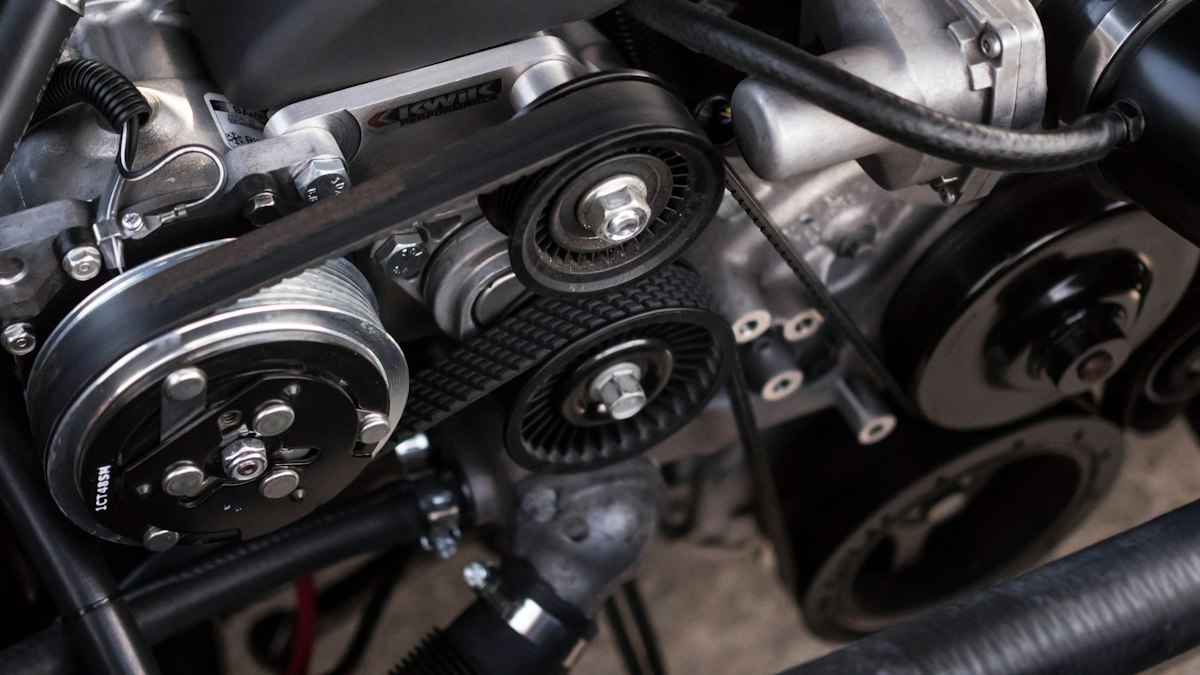
E20 Engine Compatibility & Safety
E20 Engine Compatibility & Safety
⚖️ Concern 3: Consumer Choice & Legal Challenges
⚠️The Concern: Lack of Consumer Choice & Forced Adoption
Some consumers and advocacy groups raised concerns about mandatory E20 adoption, demanding continued availability of ethanol-free petrol. These concerns culminated in a Public Interest Litigation (PIL) challenging the E20 rollout in the Supreme Court.
Key question: "Should consumers be forced to use E20, or should they have the choice to buy conventional petrol?"
⚖️Supreme Court Dismisses Challenge: Legal Validation of E20 Program
In a landmark ruling that vindicated the government's approach, the Supreme Court of India dismissed a PIL challenging the E20 rollout on September 1, 2025:
Supreme Court Ruling Highlights
- ✓Dismissal of PIL: The Court found no merit in the challenge, recognizing the government's authority to implement ethanol blending for energy security and environmental goals.
- ✓Public Interest Recognition: The Court acknowledged that E20 serves legitimate public interest objectives (emission reduction, import substitution, farmer welfare).
- ✓Scientific Basis Validated: The ruling implicitly endorsed the government's scientific testing and regulatory framework as sound and well-reasoned.
Source: Mint, September 1, 2025
🏷️Court's Consumer Protection Directive: Labeling Requirement
While dismissing the PIL, the Supreme Court issued an important directive to protect consumer interests:
Mandatory Ethanol Content Labeling at Pumps
The Court directed that all fuel stations must clearly display the ethanol content (E10, E20, etc.) at pumps, ensuring consumers know exactly what fuel they are purchasing. This includes:
- •Clear Signage: Large, visible labels indicating ethanol percentage
- •Nozzle Labeling: Direct marking on fuel dispensers for clarity
- •Consumer Awareness: Enabling informed choices for vehicle owners
Source: The Indian Express
The government quickly complied with this directive, demonstrating its commitment to transparency and consumer rights. Oil Marketing Companies (OMCs) implemented clear labeling systems nationwide within weeks of the Court's order.
🛒Consumer Choice Preserved
Importantly, the government has maintained consumer choice throughout the E20 rollout:
- ✓Dual Availability: Many fuel stations continue offering both E20 and conventional petrol (typically E10 or E12)
- ✓Gradual Transition: E20 is not being forced overnight; rollout is phased, giving consumers and markets time to adapt
- ✓Legacy Vehicle Accommodation: Owners of older vehicles can continue using lower-blend or conventional petrol where available
This balanced approach—advancing E20 adoption while preserving consumer choice—demonstrates the government's pragmatic, inclusive policymaking. The Supreme Court's endorsement further validates this thoughtful strategy.
🚫 Concern 4: Misinformation & Fear Mongering
⚠️The Challenge: Misinformation Spread on Social Media
As with many major policy initiatives, E20 faced a wave of misinformation on social media platforms and WhatsApp forwards. Common false or exaggerated claims included:
- ❌"E20 will void your vehicle insurance" (FALSE)
- ❌"E20 damages all engines" (FALSE, only concerns for very old vehicles)
- ❌"E20 causes 10-15% mileage drop" (EXAGGERATED, actual: 1-2%)
- ❌"Government forcing E20 to benefit certain industries" (CONSPIRACY THEORY)
These narratives created unnecessary panic and skepticism among consumers, potentially undermining a beneficial policy initiative.
📢Government's Proactive Communication Strategy
Rather than ignoring or suppressing criticism, the Ministry of Petroleum & Natural Gas launched a comprehensive public communication campaign to counter misinformation with facts:
1. Official Press Releases (PIB)
The government issued detailed Press Information Bureau (PIB) releases addressing each concern point-by-point with scientific data, testing results, and official clarifications. These became authoritative sources for media and fact-checkers.
2. Direct Consumer Engagement
Ministers and senior officials gave media interviews (NDTV, Economic Times, Mint) directly addressing consumer concerns. This personal, accessible communication built trust and credibility.
3. Transparent Data Sharing
The government published ARAI testing results, NITI Aayog roadmaps, and technical specifications publicly, allowing independent verification of claims. This openness contrasts sharply with opaque policymaking of the past.
4. Industry Partnerships
The government worked with automobile manufacturers to issue joint statements confirming E20 compatibility and warranty coverage, leveraging OEM credibility to reassure consumers.
🏆Model Governance: Transparency as Policy
The government's response to E20 criticism exemplifies modern, transparent governance:
- ✓Evidence-Based Rebuttals: Every concern met with scientific data, not political rhetoric
- ✓Acknowledging Trade-offs: Honest about minor mileage impact rather than hiding it
- ✓Responsive Adjustments: Implementing SC's labeling directive quickly and comprehensively
- ✓Public Trust Building: Open communication fostering confidence over fear
This approach transforms potential policy failure into public confidence. By meeting criticism with transparency, data, and responsiveness, the government has turned skeptics into informed supporters.
The government's handling of E20 concerns and criticism sets a gold standard for policy communication in the digital age. Rather than dismissing or suppressing dissent, officials engaged directly with public worries, provided comprehensive data, and made adjustments based on feedback. The Supreme Court's validation, combined with transparent governance, demonstrates that E20 is not just technically sound—it's a politically and socially resilient policy built on public trust and scientific integrity.
7. 🏗️ Implementation Strategy & Infrastructure: Execution Excellence
A visionary policy is only as good as its execution. The E20 program's success hinges not just on setting ambitious targets, but on building the infrastructure, supply chains, and institutional coordination to deliver ethanol-blended fuel consistently and reliably across India's vast geography. The government has demonstrated remarkable implementation capability, coordinating multiple ministries, incentivizing private investment, and establishing robust regulatory frameworks. This section examines the operational excellence that transforms E20 from policy paper to fuel pump reality.
🏭 Ensuring Ethanol Supply: Scaling Production Capacity
The cornerstone of E20 success is reliable, sufficient ethanol supply. The government has implemented a multi-pronged strategy to ensure production capacity meets and exceeds demand, focusing on both first-generation (1G) ethanol from sugarcane and grain, and second-generation (2G) ethanol from agricultural residues. Through incentives, price assurance, and investment promotion, India has achieved a remarkable 3x increase in ethanol production capacity in just seven years.
🏭1G Ethanol: Distillery Expansion Incentives
- ✓Attractive Procurement Prices: Government-assured prices (₹63-66/liter) make ethanol production highly profitable for distilleries
- ✓Loan Support: Soft loans and financial assistance for distillery modernization and capacity expansion
- ✓Multiple Feedstock Options: Flexibility to use sugarcane juice, molasses, damaged grains, or surplus foodgrains
- ✓Result: Over ₹40,000 crore private investment in new distilleries and capacity additions
🌾2G Ethanol: Revolutionary Technology Push
- ✓SATAT Scheme: 12 second-generation ethanol plants sanctioned with ₹8,000+ crore government support
- ✓Crop Residue Utilization: Converting agricultural waste (parali, bagasse) into valuable fuel, solving pollution and income issues simultaneously
- ✓R&D Investment: NITI Aayog, DBT, and CSIR labs advancing enzymatic processes and cost reduction
- ✓Long-term Vision: 2G ethanol will reduce food-vs-fuel concerns and unlock massive agricultural residue potential

Scaling India's Ethanol Production
Scaling India's Ethanol Production
🚚 Logistics & Blending Infrastructure: Seamless Supply Chain
Producing ethanol is only half the challenge—getting it from distilleries to fuel pumps across India's diverse geography requires sophisticated logistics infrastructure. The government and Oil Marketing Companies (OMCs) have invested heavily in pipelines, storage terminals, transportation networks, and retail pump modifications to ensure seamless E20 availability.
🚛Transportation & Distribution
- • Dedicated ethanol transportation fleet
- • Strategic positioning of distilleries near demand centers
- • Multi-modal transport (road, rail, pipeline)
- • Real-time supply chain monitoring systems
🛢️Storage & Blending Facilities
- • Ethanol-compatible storage tanks at oil depots
- • Inline blending systems for consistent fuel quality
- • Vapor recovery systems for safety
- • Quality testing labs at major terminals
⛽Retail Pump Modifications
- • Upgraded fuel tanks with ethanol-resistant coatings
- • New dispensers calibrated for E20
- • Clear labeling systems (as per SC directive)
- • Staff training on E20 handling and consumer queries
📊Monitoring & Quality Control
- • Digital supply chain tracking systems
- • Regular quality testing at pumps
- • BIS standards enforcement
- • Consumer complaint redressal mechanisms
🔄 Inter-Ministerial Coordination: Whole-of-Government Approach
E20 implementation requires seamless coordination across multiple government ministries and agencies—a hallmark of modern governance. The government has established robust inter-ministerial coordination mechanisms, ensuring that petroleum supply, agricultural production, environmental compliance, and automotive standards all work in harmony toward the common E20 goal.
Key Ministries & Their Roles:
Ministry of Petroleum & Natural Gas
Lead ministry coordinating E20 rollout, policy formulation, OMC coordination, and consumer communication
Ministry of Agriculture & Farmers Welfare
Ensuring ethanol feedstock availability, farmer support schemes, crop diversification, and agricultural residue collection
Ministry of Road Transport & Highways (MoRTH)
Vehicle compatibility standards (E20 mandate), automotive industry coordination, and consumer protection regulations
Ministry of Environment, Forest & Climate Change
Environmental clearances, emissions monitoring, climate commitments tracking, and sustainability assessments
NITI Aayog (Policy Think Tank)
Strategic roadmap development, cross-sectoral coordination, target monitoring, and course correction recommendations
This whole-of-government approach ensures that E20 implementation doesn't face bureaucratic silos or conflicting priorities. Regular high-level review meetings, shared databases, and joint task forces enable rapid problem-solving and adaptive governance.
💡 Ensuring Consumer Clarity: One Standard, No Confusion
✅Petroleum Secretary Pankaj Jain's Consumer Protection Directive
Recognizing that consumer confusion could undermine E20 adoption, Petroleum Secretary Pankaj Jain issued a clear directive to Oil Marketing Companies:
"Only E20 fuel will be available at pumps offering ethanol-blended petrol. There will be no confusion with multiple blend options (E10, E12, E15, E20) at the same pump. Standardization ensures consumer clarity and simplifies supply chain logistics."
— Petroleum Secretary Pankaj Jain, Official Policy Directive
Benefits of Single-Blend Standardization:
- ✓Consumer Clarity: No confusion about which blend to choose—if the pump says "ethanol-blended," it's E20
- ✓Supply Chain Efficiency: Single specification reduces logistics complexity and inventory management challenges
- ✓Quality Assurance: Easier to maintain consistent quality standards with one formulation
- ✓Faster Adoption: Standardization accelerates market transformation by eliminating incremental blend transitions
Note: Fuel stations will continue offering conventional petrol (typically E10 or lower blends) alongside E20 at separate pumps, preserving consumer choice for older vehicles while maintaining clarity through clear labeling.
🔍 Regulatory & Monitoring Mechanisms: Accountability & Compliance
Robust regulatory frameworks and real-time monitoring systems ensure E20 quality, safety, and compliance across the entire supply chain. The government has established multiple layers of oversight, from distillery production to pump dispensing, with clear accountability mechanisms and swift corrective actions for non-compliance.

E20 Quality Standards & Compliance
E20 Quality Standards & Compliance
📋Quality Standards & Specifications
- •BIS Standard IS 2796:2023: Comprehensive specifications for E20 fuel quality, ethanol purity, and blending ratios
- •Mandatory Testing: Every batch tested for ethanol percentage, water content, sulfur levels, and octane rating
- •Third-Party Audits: Independent BIS-certified labs conduct surprise checks and validation testing
📊Real-Time Monitoring & Tracking
- •Digital Supply Chain: GPS-tracked tankers, RFID tags, and digital seals ensure no adulteration during transportation
- •Pump-Level Sensors: Electronic monitoring systems at retail pumps detect blend deviations in real-time
- •Central Dashboard: Ministry-level monitoring dashboard provides nationwide visibility of E20 rollout progress
⚖️Compliance Enforcement & Penalties
- •Legal Weights & Measures Act: Strict penalties for fuel adulteration, mislabeling, or short-selling
- •License Revocation: Non-compliant fuel stations face suspension or permanent license cancellation
- •Consumer Complaint Portal: Easy mechanism for consumers to report quality issues, with swift government follow-up
Accountability-Driven Governance
The multi-layered regulatory and monitoring framework demonstrates the government's commitment to implementation excellence. By establishing clear standards, deploying technology for transparency, and enforcing strict compliance, the E20 program ensures that ambitious policy goals translate to tangible, high-quality outcomes at every fuel pump across India. This accountability-driven approach builds consumer trust and ensures the program's long-term sustainability.
8. 🌐 Global Perspectives & Comparisons: Learning from Leaders
India's E20 program doesn't exist in isolation—it's part of a global movement toward biofuels and renewable transportation energy. By examining international experiences, particularly Brazil's pioneering ethanol program and the United States' extensive biofuel infrastructure, India has crafted a policy that adapts global best practices to Indian realities. This section provides international context and demonstrates that India is joining—and in some ways, surpassing—global leaders in ethanol blending ambition.
🇧🇷 Brazil: The Global Ethanol Pioneer
Brazil stands as the world's most advanced ethanol economy, with over 45 years of experience in large-scale ethanol blending. Starting from the 1970s oil crisis, Brazil developed a comprehensive biofuel ecosystem that India can learn from—and in some aspects, improve upon.
Brazil's Ethanol Success Story
E27 and Beyond: Higher Blending Mandates
Current Status: Brazil mandates E27 (27% ethanol) in all gasoline, one of the highest mandatory blends globally. During sugarcane harvest season, this can increase to E30-E35.
Lesson for India: E20 is just the beginning—E27, E30, and even E85 (flex-fuel) are achievable with the right vehicle fleet and infrastructure, as Brazil has demonstrated.
Flex-Fuel Vehicles: Consumer Choice at Scale
Vehicle Fleet: Over 90% of new cars sold in Brazil are flex-fuel vehicles (FFVs) that can run on any blend from E0 to E100 (pure ethanol).
Consumer Benefit: Drivers choose fuel based on price and availability, with pumps offering both pure ethanol (E100) and ethanol-blended gasoline (E27).
India's Adaptation: The government is exploring flex-fuel vehicle mandates for future years, learning from Brazil's consumer-centric approach.
Sugarcane-to-Ethanol Efficiency
Brazil produces ethanol primarily from sugarcane with world-leading conversion efficiency. India, also a major sugarcane producer, can leverage similar agricultural advantages while adding 2G ethanol from crop residues—a potential innovation beyond Brazil's model.
Key Takeaways from Brazil for India
- ✓Long-term Vision: Brazil's 45-year journey shows ethanol blending requires sustained government commitment—India's E20 is part of a decades-long roadmap
- ✓Flex-Fuel Future: FFVs provide maximum consumer flexibility and accelerate adoption of higher blends
- ✓Agricultural Integration: Strong sugarcane sector supports reliable ethanol supply—India's strength
- ✓Consumer Education: Decades of experience made Brazilian consumers comfortable with ethanol—India must invest in awareness campaigns

Brazil: Global Leader in Ethanol Fuel
Brazil: Global Leader in Ethanol Fuel
Click to play video demonstration
📊 International Blending Norms: Where India Stands
Ethanol blending is a global phenomenon with varying mandates and adoption rates. Understanding where India's E20 target fits in the international landscape demonstrates the government's ambitious yet achievable goals.
🇧🇷 Brazil
E27-E30Status: Global leader with mandatory E27, flex-fuel vehicles dominant, E100 widely available
🇺🇸 United States
E10-E15Status: E10 standard nationwide, E15 approved for 2001+ vehicles, E85 (flex-fuel) available at select stations
🇮🇳 India (Target)
E20Status: Achieved 18%+ blending (2025), rolling out E20, planning E30+ for future
🇪🇺 European Union
E5-E10Status: E5 standard, E10 available in most countries, focus on advanced biofuels
🇹🇭 Thailand
E10-E20Status: E10 mandatory, E20 available at select pumps, E85 for flex-fuel vehicles
🇨🇳 China
E10Status: E10 mandated in select provinces, nationwide rollout planned
India's Ambitious Position on the Global Stage
India's E20 target places it in the upper tier of global ethanol adoption, second only to Brazil in mandatory blending ambition:
- •Ahead of U.S. & EU: India's E20 mandate is higher than the U.S. (E10 standard) and EU (E5-E10)
- •Faster Timeline: India achieved 18%+ blending in just 7-8 years, compared to decades in Western countries
- •Unique 2G Focus: India's emphasis on second-generation ethanol from agricultural waste is cutting-edge, addressing both energy and environmental challenges simultaneously
- •Scale & Complexity: Implementing E20 across India's vast, diverse geography and massive vehicle fleet is a logistical feat few countries have attempted
🎓 Lessons Adapted: India's Unique Approach
While learning from global experiences, India hasn't simply copied international models—it has adapted best practices to Indian conditions, creating a hybrid approach that combines Brazil's agricultural integration, America's technological rigor, and indigenous innovations like large-scale 2G ethanol. This demonstrates policy sophistication and contextual intelligence.
📢Consumer Awareness: Learning from Brazil's Decades
Global Lesson: Brazil's multi-decade consumer education efforts normalized ethanol use.
India's Adaptation: Comprehensive PIB releases, ministerial media engagement, clear pump labeling (per SC directive), and automobile manufacturer partnerships ensure rapid consumer education within India's faster implementation timeline.
Innovation: India compressed decades of awareness-building into a few years through digital communication and government transparency.
🏗️Infrastructure: U.S.-Style Technological Integration
Global Lesson: The U.S. deployed sophisticated monitoring, blending technology, and quality control systems for E10/E15 rollout.
India's Adaptation: Digital supply chains, GPS-tracked tankers, pump-level sensors, and BIS quality standards replicate U.S. technological rigor at massive scale.
Innovation: India implemented advanced monitoring from day one, avoiding quality issues that plagued early U.S. blending efforts.
🏷️Clear Labeling: SC-Mandated Transparency
Global Lesson: Consumer confusion about blend percentages hindered adoption in some countries (U.S. E15 rollout faced labeling challenges).
India's Adaptation: Supreme Court's labeling directive + Petroleum Secretary Pankaj Jain's "only E20" standardization eliminates confusion from the start.
Innovation: Single-blend standardization (E20 only at ethanol pumps) is clearer than multi-blend approaches in U.S. and Thailand.
🌾2G Ethanol: India's Unique Contribution
Global Context: Most countries produce 1G ethanol (food crops). 2G ethanol (agricultural waste) is experimental globally.
India's Innovation: ₹8,000+ crore investment in 12 commercial-scale 2G plants addresses both energy needs and stubble-burning pollution—a dual benefit unique to India's agricultural context.
Global Leadership: If successful, India could pioneer cost-effective 2G ethanol production, offering technology and expertise to other developing nations.
🏆 India: From Learner to Global Leader
By thoughtfully adapting international experiences while innovating on Indian challenges (scale, agricultural waste, rapid timeline), the government has positioned India not just as a follower of global ethanol trends, but as an emerging leader. E20 demonstrates that India can execute world-class energy transitions with speed, scale, and sophistication that rivals—and in some aspects, surpasses—established biofuel economies.
9. 🚀 The Road Ahead: E27, Flex-Fuel, and Beyond
E20 is not the final destination—it's a critical milestone on India's journey toward a fully bio-based transportation future. The government has already announced plans for E27, E30, and even flex-fuel vehicles capable of running on E85 or E100 (pure ethanol). These ambitious targets demonstrate sustained commitment to energy independence, environmental sustainability, and agricultural prosperity. This section examines the exciting future roadmap that will position India as a global biofuel superpower.
🛣️ India's Ethanol Blending Roadmap: 2025 and Beyond
2025-2027: E20 Nationwide + E27 Pilot Programs
- •E20 Consolidation: Achieving 100% E20 availability nationwide across all major cities and highways
- •E27 Pilots: Testing E27 blends in select cities (following Brazil's model), assessing vehicle compatibility and consumer acceptance
- •2G Ethanol Scaling: Operational ramp-up of 12 commercial 2G ethanol plants, targeting 5-10% of total ethanol supply from agricultural residues
2027-2030: E30 Target + Flex-Fuel Vehicle Introduction
- •E30 Mandate: Government exploring 30% ethanol blending by 2030, requiring further distillery capacity expansion and agricultural integration
- •Flex-Fuel Vehicles: Potential mandate for all new four-wheelers to be flex-fuel capable (E0-E85 compatible) by 2028-2030, giving consumers maximum choice
- •E85 Availability: Introducing E85 (85% ethanol) pumps in major cities for flex-fuel vehicle owners, similar to Brazil and U.S. models
Post-2030: E100 Vision + Full Biofuel Economy
- •E100 Infrastructure: Pure ethanol (E100) pumps for dedicated flex-fuel fleets, industrial vehicles, and agricultural machinery
- •Biofuel Exports: With surplus ethanol production capacity, India could become a biofuel exporter to neighboring countries
- •Technology Leadership: Indian 2G ethanol technology and expertise shared globally, positioning India as a knowledge hub for tropical biofuel production
Enabling Factors for Higher Blends
- ✓Ethanol Production Capacity: Continued distillery expansion and 2G ethanol scaling will ensure sufficient supply for E30+ blends. Current capacity ~12 billion liters can grow to 20+ billion liters by 2030.
- ✓Vehicle Fleet Transition: As BS-VI vehicles (all E20-compatible) become the majority of the fleet, and flex-fuel vehicles are introduced, higher blends become technically feasible.
- ✓Agricultural Integration: Expanding feedstock diversity (sugarcane, maize, agricultural residues, bamboo) ensures reliable ethanol supply without food security concerns.
- ✓Consumer Acceptance: Positive E20 experience builds confidence for E27, E30, and higher blends, reducing resistance to change.
- ✓Government Commitment: Sustained political will and inter-ministerial coordination ensure long-term policy continuity regardless of election cycles.
Vision 2050: India as a Biofuel Superpower
By mid-century, India envisions a transportation sector powered predominantly by domestically-produced biofuels:
- • 50%+ of transportation fuel from domestic ethanol and biofuels
- • Zero net crude oil imports for transportation sector (balanced by domestic production + biofuels)
- • 100 million tonnes CO₂ reduction annually from ethanol blending
- • ₹5 lakh crore+ farmer incomes from ethanol feedstock cultivation
- • Technology exports to 50+ developing countries for biofuel production
This ambitious vision transforms India from an oil-importing nation into an energy-independent, environmentally sustainable, and economically resilient biofuel leader. E20 is the foundation upon which this future is being built.
The Road Ahead: E27 & Flex-Fuel Future
The Road Ahead: E27 & Flex-Fuel Future
🎯 Conclusion: A Bold, Visionary Move Toward Energy Independence
India's E20 petrol program stands as one of the most significant policy initiatives of the decade—a rare example of visionary thinking, meticulous execution, and sustained political commitment. By achieving 18%+ ethanol blending in just 7-8 years and targeting 20% nationwide availability, the government has demonstrated that ambitious energy transitions are not just possible, but can be accomplished with speed, scale, and sophistication. E20 is more than a fuel standard; it is a declaration of India's determination to chart its own energy destiny.
🏆 Why E20 Deserves Acclaim: A Multi-Dimensional Success
🌍 Environmental Leadership
65% reduction in life cycle emissions, 5-6 million tonnes annual CO₂ savings, and tangible progress toward net zero by 2070.
🛡️ Energy Security
₹41,000+ crore annual forex savings, reduced import dependence, and strategic resilience against global oil price volatility.
🌾 Farmer Prosperity
Billions in additional farmer incomes, sugarcane arrears reduction, and new revenue streams from agricultural residues.
🏗️ Technological Innovation
₹40,000+ crore infrastructure investment, pioneering 2G ethanol production, and world-class quality monitoring systems.
What distinguishes E20 from typical government programs is the comprehensive approach—addressing not just fuel supply, but vehicle compatibility, consumer concerns, infrastructure development, agricultural integration, and transparent communication. The Ministry of Petroleum & Natural Gas, working in coordination with multiple ministries, has shown what modern, effective governance looks like. The Supreme Court's validation of the program, dismissal of challenges, and consumer protection directives further underscore the legal soundness and public interest served by E20.
👑 A Testament to Visionary Leadership
E20 exemplifies the kind of bold, long-term policymaking India needs to achieve its development and sustainability goals:
- • Ambitious Targets: Setting E20 goals ahead of most developed nations (U.S., EU) demonstrates confidence and strategic thinking
- • Rapid Execution: Achieving 18%+ blending in 7-8 years (vs. decades elsewhere) shows implementation excellence
- • Stakeholder Balance: Addressing farmer welfare, consumer concerns, and environmental goals simultaneously
- • Transparent Governance: Open communication, data-driven rebuttals, and responsiveness to criticism build public trust
- • Future-Focused: E20 is a milestone, not a destination—E27, E30, and flex-fuel vehicles are already in planning
As India stands at the cusp of becoming the world's third-largest economy, energy security and environmental sustainability will define its trajectory. E20 petrol is not just about fuel—it's about India's future. By reducing import dependence, protecting the environment, empowering farmers, and building indigenous technological capability, the E20 program embodies the Atmanirbhar Bharat vision in its most tangible form.
🤝 A Call to Collective Action: Public Trust, Stakeholder Support & National Readiness
The success of E20—and the even more ambitious E27, E30, and flex-fuel future—depends on continued collaboration, trust, and collective commitment from all stakeholders. This is a shared national mission requiring everyone's participation:
🚗To Indian Citizens & Vehicle Owners
Embrace E20 with Confidence: Trust the extensive testing, government clarifications, and Supreme Court validation. Your adoption of E20 drives energy independence and cleaner air for future generations.
Stay Informed: Check your vehicle compatibility, understand the benefits, and share accurate information to counter misinformation. Your informed choices matter.
🌾To Farmers & Agricultural Communities
Seize the Opportunity: E20 creates sustained demand for sugarcane, maize, and agricultural residues. Diversify income streams and embrace 2G ethanol opportunities (crop residue monetization).
Partner for Growth: Work with distilleries, cooperatives, and government programs to maximize ethanol feedstock income while maintaining food security.
🏭To Automobile Manufacturers & Industry
Continue Innovation: Build on E20 compatibility to develop flex-fuel vehicles, optimize engine performance for higher blends, and educate consumers about benefits.
Stand Behind Your Products: Honor warranty commitments for E20-compatible vehicles and provide clear, accessible compatibility information to customers.
⛽To Oil Marketing Companies & Retailers
Ensure Quality & Availability: Maintain consistent E20 quality (BIS standards), expand availability nationwide, and provide clear labeling for consumer clarity.
Build Consumer Confidence: Train staff to answer consumer questions accurately and handle any concerns professionally, fostering trust in E20.
🏛️To State Governments & Local Authorities
Facilitate Implementation: Support distillery expansion, streamline agricultural residue collection, and promote farmer awareness programs about ethanol opportunities.
Monitor & Enforce: Ensure fuel quality compliance, prevent adulteration, and address consumer complaints swiftly at the local level.
📢To Media & Civil Society
Combat Misinformation: Report accurately on E20, verify claims before publication, and help educate the public with fact-based journalism.
Constructive Engagement: Hold government accountable through constructive criticism while acknowledging genuine achievements. E20's success benefits everyone.
🇮🇳 The Power of Collective Will
E20 is not a government program imposed on citizens—it is a national mission requiring active participation from every Indian. When 1.4 billion people move together toward energy independence, environmental sustainability, and agricultural prosperity, the results are transformational. The government has provided leadership, infrastructure, and policy; now it's our collective responsibility to make E20—and the ambitious ethanol future beyond it—a resounding success.
Together, we fuel India's future. Together, we achieve Atmanirbhar Bharat.
🇮🇳 E20: From Bold Move to National Pride
The government's E20 initiative deserves not just recognition, but celebration. It represents the best of what India can achieve when policy vision, technological capability, agricultural strength, and political will align. As E20 pumps become ubiquitous across India, they will stand as symbols of a nation that chose self-reliance over dependence, sustainability over short-term convenience, and bold action over cautious incrementalism.
This is the India that will shape the 21st century. E20 is just the beginning.